

ADHD Symptoms, Causes, Diagnosis & Treatment
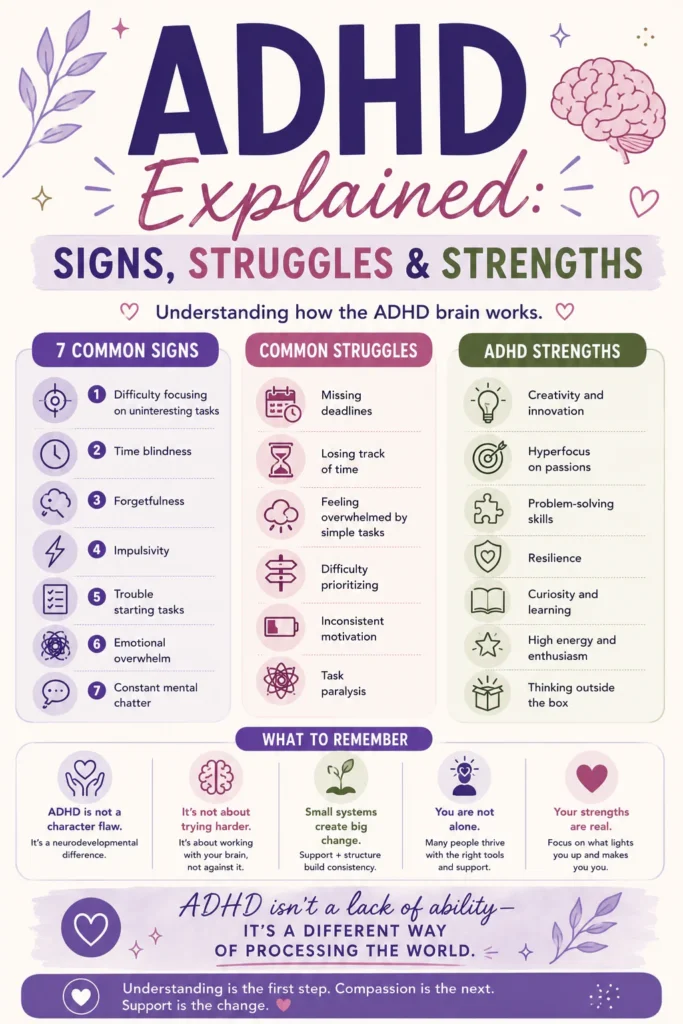
Attention Deficit Hyperactivity Disorder (ADHD) is one of the most common neurodevelopmental conditions affecting children, teenagers and adults. ADHD can influence concentration, organisation, emotional regulation, impulsivity and daily functioning, but with the right support, many people go on to lead successful and fulfilling lives.
Whether you are seeking answers for yourself, your child or someone close to you, this guide explains ADHD symptoms, causes, diagnosis and treatment options, while helping you understand when professional ADHD support may be beneficial.
What Is ADHD?
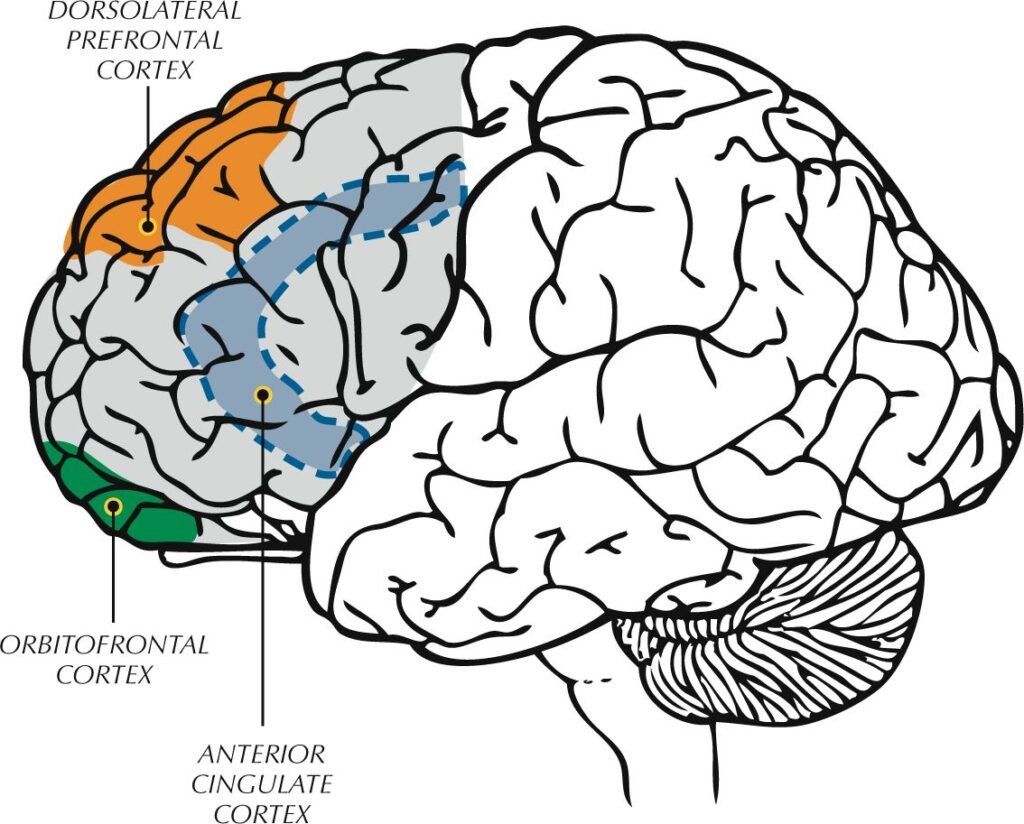
Attention Deficit Hyperactivity Disorder (ADHD) is a lifelong neurodevelopmental condition that affects the brain's executive functioning. Executive functions help us organise, prioritise, manage time, regulate emotions and stay focused.
ADHD is not caused by laziness, poor parenting or lack of intelligence. It is a recognised medical condition that affects individuals differently depending on their age, environment and personal circumstances.
Some people are diagnosed during childhood, while others may not receive an ADHD diagnosis until adulthood when increasing responsibilities begin to highlight symptoms.
ADHD Symptoms
ADHD symptoms generally fall into three main groups.
1. Inattentive ADHD Symptoms
People may experience:
- Difficulty concentrating
- Becoming easily distracted
- Forgetting appointments
- Losing everyday items
- Making careless mistakes
- Difficulty completing tasks
- Poor organisation
- Frequently daydreaming
2. Hyperactive & Impulsive ADHD Symptoms
Common symptoms include:
- Constant fidgeting
- Feeling restless
- Excessive talking
- Interrupting conversations
- Difficulty waiting
- Acting impulsively
- Feeling constantly "on the go"
3. Combined ADHD
Many individuals experience both inattentive and hyperactive symptoms. This is known as Combined Presentation ADHD and is the most frequently diagnosed form.
ADHD in Children
Children with ADHD often struggle with attention, organisation and emotional regulation in school and at home. However, many children with ADHD also demonstrate creativity, curiosity, enthusiasm and strong problem-solving abilities.
Early identification and appropriate support can significantly improve both academic achievement and emotional wellbeing.
ADHD in Adults
Adult ADHD is increasingly recognised. Many adults receive a diagnosis later in life after years of wondering why everyday responsibilities feel more difficult than they seem for others.
Common signs include:
- poor time management
- chronic procrastination
- forgetfulness
- emotional sensitivity
- difficulty maintaining focus
- unfinished projects
- restlessness
Receiving an adult ADHD diagnosis often provides clarity and opens the door to effective treatment and practical support. Book an Appointment for a free ADHD diagnosis guide
What Causes ADHD?
Researchers believe ADHD develops through a combination of genetic and environmental factors.
Factors may include:
- family history
- differences in brain development
- premature birth
- low birth weight
- prenatal exposure to certain substances
Current scientific evidence does not support the belief that sugar causes ADHD, although diet, sleep and lifestyle can influence symptom severity.
How Is ADHD Diagnosed?
There is currently no blood test or brain scan that diagnoses ADHD.
Instead, healthcare professionals "National Institute for Health and Care Excellence (NICE) ADHD Guidelines" carry out a comprehensive assessment that considers:
- current symptoms
- childhood history work or school performance
- medical history
- information from family where appropriate
- the impact symptoms have on daily life
They also assess whether another condition may better explain the symptoms.
ADHD Treatment Options
Treatment is highly individual and may include:
1. Medication
Prescription medication may improve concentration, reduce impulsivity and support emotional regulation when prescribed by an appropriately qualified healthcare professional.
2. Psychological Therapy Service
Approaches such as Cognitive Behavioural Therapy (CBT), ADHD coaching and psychoeducation help individuals develop practical coping strategies and improve daily functioning.
3. Lifestyle Changes
Healthy routines can complement treatment:
- regular exercise
- quality sleep
- balanced nutrition
- structured routines
- reminders
- planners
- breaking tasks into smaller steps
Living Successfully with ADHD
Although ADHD presents genuine challenges, it also comes with strengths.
Many people demonstrate:
- creativity
- innovation
- resilience
- enthusiasm
- problem-solving ability
- hyperfocus
- entrepreneurial thinking
Recognising these strengths helps people develop confidence while learning practical strategies to manage difficulties.

Frequently Asked Questions About ADHD
Can adults develop ADHD?
ADHD begins in childhood. However, many adults are only diagnosed later in life because their symptoms were previously unrecognised or attributed to other causes.
Is ADHD hereditary?
Research indicates that genetics play a significant role, meaning ADHD often runs in families.
Can ADHD be cured?
There is currently no cure for ADHD. However, effective treatments and practical support can help people manage symptoms and improve quality of life. At My Plan For Life, we have developed an advanced program for helping people minimise the way ADHD is processed and it really does make your life easier.
Does ADHD affect intelligence?
No. ADHD does not determine a person's intelligence. People with ADHD have a wide range of abilities and talents.
When should someone seek professional advice?
ADHD causes problems with attention, impulsivity, hyperactivity, or organisation are affecting education, work, relationships, or daily life, it is appropriate to seek our assistance at your earliest opportunity, the sooner we get you on the program the sooner your life will become more manageable.
Final Thoughts
Living with ADHD can feel overwhelming, but understanding the condition is the first step towards making positive changes. With the right assessment, practical strategies and professional support, individuals with ADHD can thrive in education, work, relationships and everyday life.
If ADHD symptoms are affecting your quality of life, seeking guidance from an experienced professional can help you build effective strategies and regain confidence. Contact Fraser at My Plan For Life for your ADHD support and guidance